When can you cut hedges in Somerset?
For most hedges, the right time is between September and the end of February. Farm hedgerows in England must not be cut from 1 March to 31 August, and the law protects any wild bird's nest in use at any time of year. That makes late autumn and winter the safe window, with berrying hedges best left until late winter.
What months can you not cut a hedge?
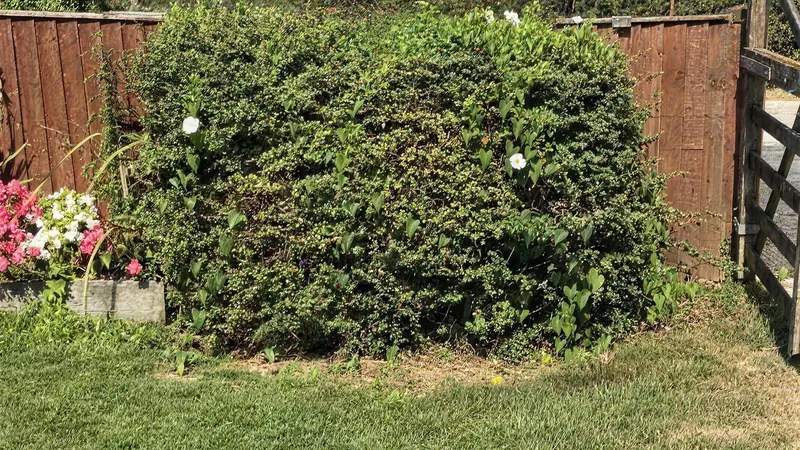
On farmland in England, you must not cut or trim a hedgerow covered by the hedgerow management rules from 1 March to 31 August. Garden hedges have no fixed closed season, but the Wildlife and Countryside Act 1981 protects nests in use or being built, so those same spring and summer months are the ones to avoid.
You must not cut or trim a hedgerow that is covered by the rules from 1 March to 31 August. You must not cause or permit another person to cut or trim such a hedgerow.
The Rural Payments Agency enforces these rules, in force since 23 May 2024. The second sentence matters if you pay someone to cut a hedge for you: the person who arranges the work can be in breach as well as the one holding the hedge cutter.
You must not do any work which might harm nesting birds or destroy their nests. You’ll usually find nesting birds during the main nesting and breeding season from 1 March to 31 August.
Does the farm hedge ban apply to a garden hedge?
Usually not. The cutting rules cover hedgerows on or next to agricultural land, and they exempt a hedge inside a house's garden or marking its boundary, on both sides. Around Axbridge and the Levels, where many gardens back onto fields and paddocks, that exemption matters. The nesting law applies to every hedge regardless.
The hedgerow is within the curtilage of a dwelling house. Or the hedgerow marks the boundary of the curtilage of a dwelling house (this applies to both sides of the hedgerow).
For the rules to apply, a hedgerow has to pass two tests. On length, it must be more than 20 metres long with gaps of 20 metres or less, or shorter but meeting another hedgerow at each end. On location, it must grow on or next to land used for agriculture. Gov.uk lists what that includes:
- grazing land and meadow land
- land for breeding and keeping livestock, which includes horses and ponies
- dairy farming, horticulture, fruit and seed growing
- market gardens, nursery grounds and allotments
So a long hedge between a pony paddock and a lane is covered. A hedge between your back garden and that paddock is exempt from the cutting rules, but not from the law on nests.
Can you cut a hedge in the nesting season if there are no nests?
For a garden hedge, the RSPB says it is legal to cut vegetation at any time of year as long as no active nests are moved or damaged. Its advice is still not to cut between March and September, and to watch the hedge for a few days and check it thoroughly before any unavoidable trim.
Legally, however, you can cut vegetation year-round, as long as no active nests are moved or damaged.
Robins and wrens often nest a few metres off the ground, where a garden hedge gives them cover. The RSPB's checks before cutting in season are:
- watch the hedge for a few days for nesting activity
- look for birds going back and forth regularly, the main sign of a nest
- check the hedge, tree or shrub thoroughly for active nests before you start
If you find a nest, leave that hedge alone until the young have flown. The RSPB says suspected offences should be reported to the police on 101, asking for the local Wildlife Crime Officer.
Why are late autumn and winter the best time to cut a hedge?
By autumn most young birds have fledged and hedges have slowed down, so a cut made between now and February stays tidy into spring. The RSPB recommends cutting between 1 September and 28 February, and for hedges that flower and fruit it says to wait until late winter, after birds have eaten the berries.
So, we recommend only cutting between 1 September and 28 February.
Most hedge plants flower and fruit on the previous year's growth. Cut them every other year, or a proportion of them each year to allow flowering and fruiting. Cutting should be carried out in late winter after any berries have been eaten by birds.
In practice that splits Somerset hedges into two groups. A clipped garden hedge of privet, laurel or conifer carries little food for birds and can be cut in October or November. A mixed native hedge of hawthorn, blackthorn and holly, the kind that lines lanes and field edges on the Levels and below the Mendips, is feeding thrushes and blackbirds through early winter, so it is better left until January or February.
| Hedge | What governs it | When to cut |
|---|---|---|
| Garden hedge (in or bounding a house's garden) | Wildlife and Countryside Act 1981 (nests) | Any time with no active nest; RSPB recommends 1 September to 28 February |
| Farm hedgerow (on or next to agricultural land, 20 m test) | Hedgerow management rules and the nest law | Not 1 March to 31 August unless an exemption applies |
| Native hedge with berries | RSPB advice | Late winter, after the berries have gone |
| Hedge overhanging a road or footpath | Highways authority; farm rules exempt real obstruction or danger | When needed, cutting only what the exemption requires; nests still protected |
What about wet ground, frost and storms in Somerset?
Winter cutting has practical limits. On Levels clay, the ground beside field hedges and rhynes can stay waterlogged for weeks, which makes ladders and platforms unsteady and leaves ruts in lawns. A hedge in a hard frost or a gale off the Bristol Channel is better left for a calmer, drier day before the end of February.
The farm deadline is fixed, so a wet January can squeeze the window. Booking a garden hedge in for November or December avoids a scramble in late February.
After a storm, look at the hedge before anyone cuts it. A branch hanging over a path can be trimmed back, but a hedge tree that has split or come down is tree work, not hedge cutting. For safety, that is one for a qualified tree surgeon.
Who is responsible for a hedge overhanging a road, path or neighbour's garden?
The owner of the hedge is responsible for it. You may trim branches crossing into your property, but only up to the boundary. If a hedge obstructs a road, the highways authority, which is Somerset Council for most of the county, can ask the owner to cut it back, and can do the work and charge if they refuse.
Gov.uk sets out the points that come up most often between neighbours:
- you can trim branches or roots that cross into your property from a neighbour's land or a public road, up to the boundary only
- a high hedge complaint to the council needs a hedge of 2 or more mostly evergreen or semi-evergreen trees or shrubs, over 2 metres tall, and you must try to settle it informally first
- in a conservation area, or where trees are under a tree preservation order, you might need council permission to trim them
Questions people also ask
Can I cut my hedge in March?
Not if it is a farm hedgerow covered by the rules, which are closed to cutting from 1 March to 31 August. A garden hedge can legally be cut if there is no active nest, but March is when birds start building, so the RSPB advises against it. Check thoroughly first or wait until September.
Is November too late to cut a hedge?
No. November falls inside the window the RSPB recommends, which runs from 1 September to 28 February. Clipped garden hedges suit an autumn cut; native hedges with berries are better left until January or February.
Can I cut my neighbour's hedge?
You can cut back branches that grow over onto your side, up to the boundary. Cutting beyond that could leave you liable for damaging their property, so talk to your neighbour first.
Do you cut hedges, and do you take the clippings away?
We cut and trim hedges for homes and businesses within about 10 to 15 miles of Axbridge, Monday to Friday, and we leave the site tidy. We don't take clippings away, so ask us what happens to them when we quote. Garden jobs like hedges can often be quoted from photos first.
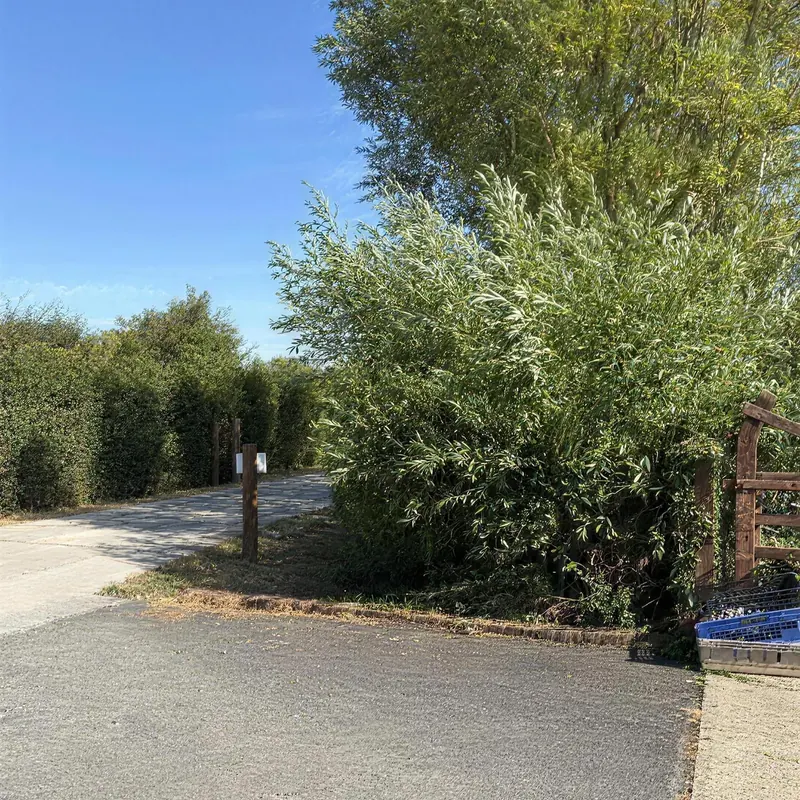
Hedge cutting from a family business near Axbridge
If your hedge is due its winter cut, we cut and trim hedges for homes and businesses around Axbridge, Cheddar and Wedmore, with a free quote that can often start from photos.
We cut hedges at Mark. More on fencing and garden work in Mark.
Sources
- Hedgerow management rules: cutting and trimming (Rural Payments Agency, gov.uk), accessed 23 October 2026
- Countryside hedgerow protection: removing hedgerows (Natural England and Defra, gov.uk), accessed 23 October 2026
- Resolving neighbour disputes: high hedges, trees and boundaries (gov.uk), accessed 23 October 2026
- Birds' nests and nestboxes: when can you cut hedges? (RSPB), accessed 23 October 2026
- Plant a hedge for wildlife (RSPB), accessed 23 October 2026
Rules and wildlife law are quoted from the official pages above. This guide is general advice; check the source for your own situation.